Minshuku Ishibashi (民宿石橋) - Tanesashi
Simple accommodation in an excellent position for the Tanesashi Coast. Hiker support can include help around Same Station and luggage arrangements.
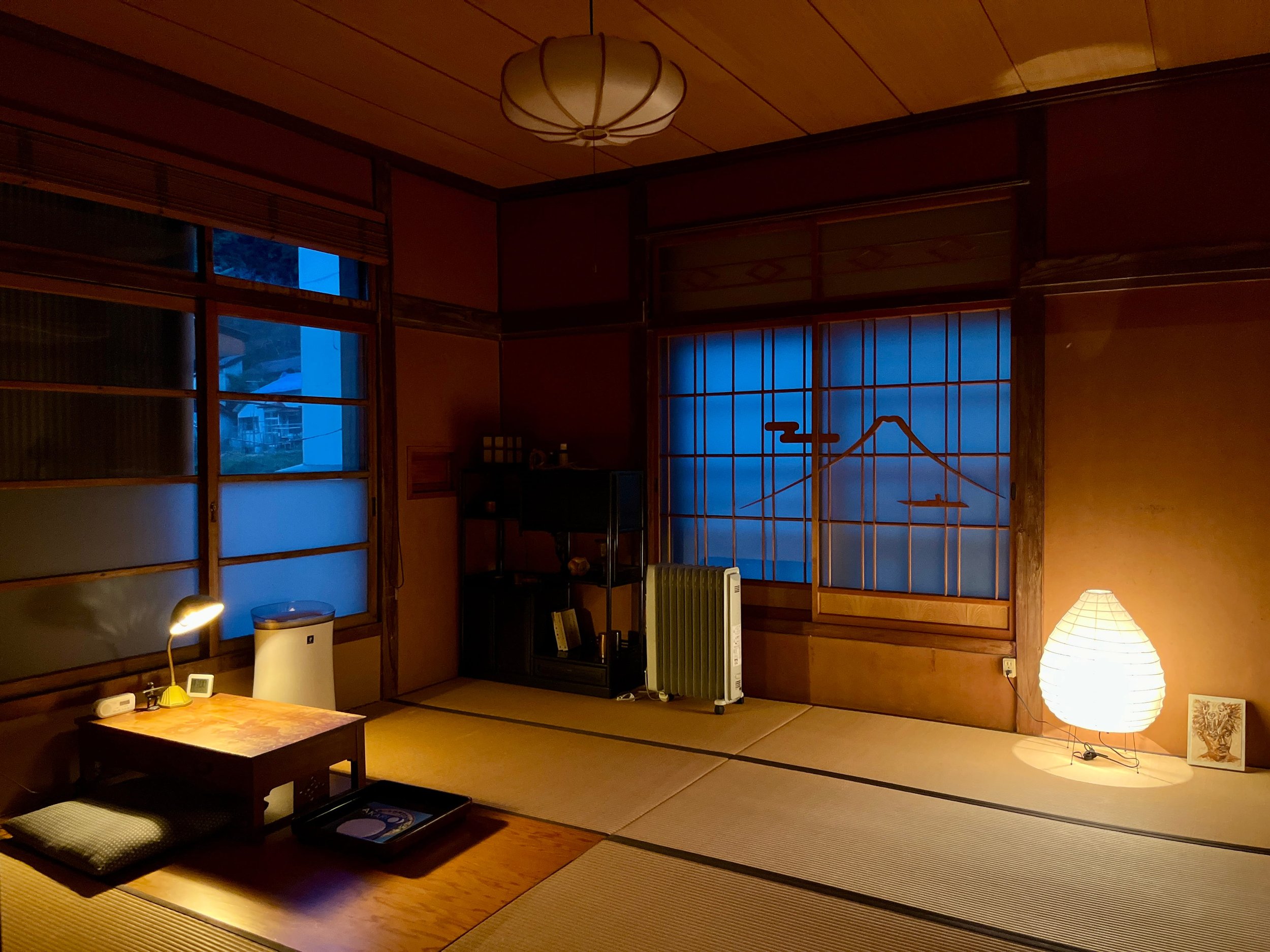
A memorable stay at family-run inn Kagetsutei in Kamaishi (Iwate).
Finding somewhere to sleep is one of the more important parts of planning the Michinoku Coastal Trail.
The MCT passes through large towns where booking a hotel is easy, and through small fishing villages, remote peninsulas and sections where there may be only one realistic place to stay. Accommodation ranges from business hotels and guesthouses to family-run minshuku, traditional ryokan, onsen hotels and hiker-oriented local stays.
This guide focuses on what actually matters for a walking itinerary: where accommodation gets difficult, when to book, how rural Japanese inns work, what you are likely to pay, and which places are genuinely useful for MCT hikers.
I've personally stayed at many of the places below, and I say so where that's the case. Other properties are included because of their location, hiker services, booking accessibility or usefulness to an MCT itinerary.
Accommodation information checked: August 2026. Small rural properties can change opening days, booking methods and services, so reconfirm anything critical before relying on it.
Hachinohe, Kuji, Miyako, Kamaishi, Ofunato, Kesennuma, Ishinomaki and Soma. Multiple choices, shops and transport connections.
Tanesashi, Noda, Fudai, Tanohata, Taro, Yamada, Karakuwa, Minamisanriku and Ayukawa. Good options exist, but location and availability matter.
Mt Hashikami, Kitayamazaki, Omoe, Hirota, Kitakami/Ogatsu, parts of Oshika and some island sections.
Do not assume the nearest hotel shown on Google Maps is practical. Ten kilometres can be a very long way at the end of an MCT walking day. If there is only one realistic place to stay at the end of your planned day, book it before you set off.
For a short section hike, I'd book everything before you start.
For a thruhike, I prefer a rolling approach: secure the itinerary-determining nights well in advance, then keep roughly the next 3-5 nights booked as you walk rather than locking in a two-month schedule. Weekends, public holidays and festivals can fill quickly.
Prices vary enormously, but these are useful planning ranges rather than quotes for particular properties.
| Accommodation type | Rough budget | What to expect |
|---|---|---|
| Hostel / simple guesthouse | ¥3,000-7,000 per person | Dorm or simple room, usually few or no meals |
| Business hotel | ¥5,000-13,000 per room | Private Western room, easy online booking |
| Minshuku | ¥5,000-10,000 per person | Family-run inn, often with breakfast or dinner available |
| Ryokan / onsen inn | ¥7,000-15,000+ per person | Japanese room, meals and often a substantial bath or onsen |
| Higher-end hotel / ryokan | ¥15,000-25,000+ | Better rooms, food, onsen or resort facilities |
| Campsite | Free to roughly ¥2,500 | Huge variation in facilities and season |
For planning purposes, around ¥6,500-10,000 per person is a reasonable starting budget for many indoor MCT nights, with higher costs for resort hotels and more elaborate meal-inclusive ryokan.
Japanese inns often quote prices per person, especially when meals are included. Business hotels usually quote per room. Dinner and breakfast can make a ¥9,000 minshuku much better value than a ¥7,000 hotel room once you count both meals.
Japanese accommodation websites often use the word plan to mean the package attached to your room, especially which meals are included.
On remote sections, a meal-inclusive inn can be particularly valuable simply because there may be nowhere else to eat that evening.
If you need to leave early, ask whether the inn can prepare onigiri or a packed breakfast instead of a served one. Some hiker-friendly places will also prepare lunch for the following day.
Mention dietary requirements when you book, not at the table. Seafood and fish-based dashi are common. Rural inns can often help with notice, but may struggle if told at dinner.
If dinner is included, arrive when you say you will. At a small inn, someone may be cooking specifically for you. If you're running late, call or message, and do not no-show.
There is no single site that covers the MCT well, so expect to use a mix.
Where I've written Direct, that's a deliberate recommendation, not a missing link.
Many smaller inns along the MCT speak little or no English. That does not mean international hikers are unwelcome. In my experience, and in many stories shared by past MCT hikers, small family-run places can be some of the warmest stays on the trail. A few basic Japanese phrases, a translation app, patience and a smile can go a long way.
Carry cash. Smaller inns and local services may still not accept cards.
If you want to send luggage ahead with a courier such as Yamato, ask your next accommodation first. Small inns cannot always receive unattended luggage, and I would allow at least a couple of days for forwarding.
Basing yourself in a larger town for two nights, then using a train or bus to reach the start or end of nearby sections, is a good way to walk with a lighter pack and solve an awkward accommodation gap. Kuji, Miyako, Kamaishi, Ofunato, Kesennuma and Ishinomaki all work well for this. I recommend doing it occasionally if you want to give your legs and back a break.
The official Michinoku Coastal Trail Supporters network is particularly useful for hikers. Local businesses and facilities offer services such as water, toilets, charging, discounts, washing facilities, luggage storage, transport, food, accommodation or somewhere to pitch a tent.
In my experience, the people running these places are often extremely welcoming to MCT hikers too.
Services vary and can change, so check current information if you are relying on something specific.
You do not need to camp to hike the MCT. It is technically possible to thruhike the whole trail while staying in indoor accommodation every night.
Doing that takes careful planning. On a few remote stretches you may need a long walking day or transport such as a train, bus, taxi or pre-arranged pickup to connect the trail with your accommodation. A tent gives you considerably more flexibility, particularly on the remote peninsulas.
The listings run roughly north to south, from Hachinohe in Aomori to Soma in Fukushima. Personally stayed means I have actually stayed there myself. It is not simply a researched recommendation.
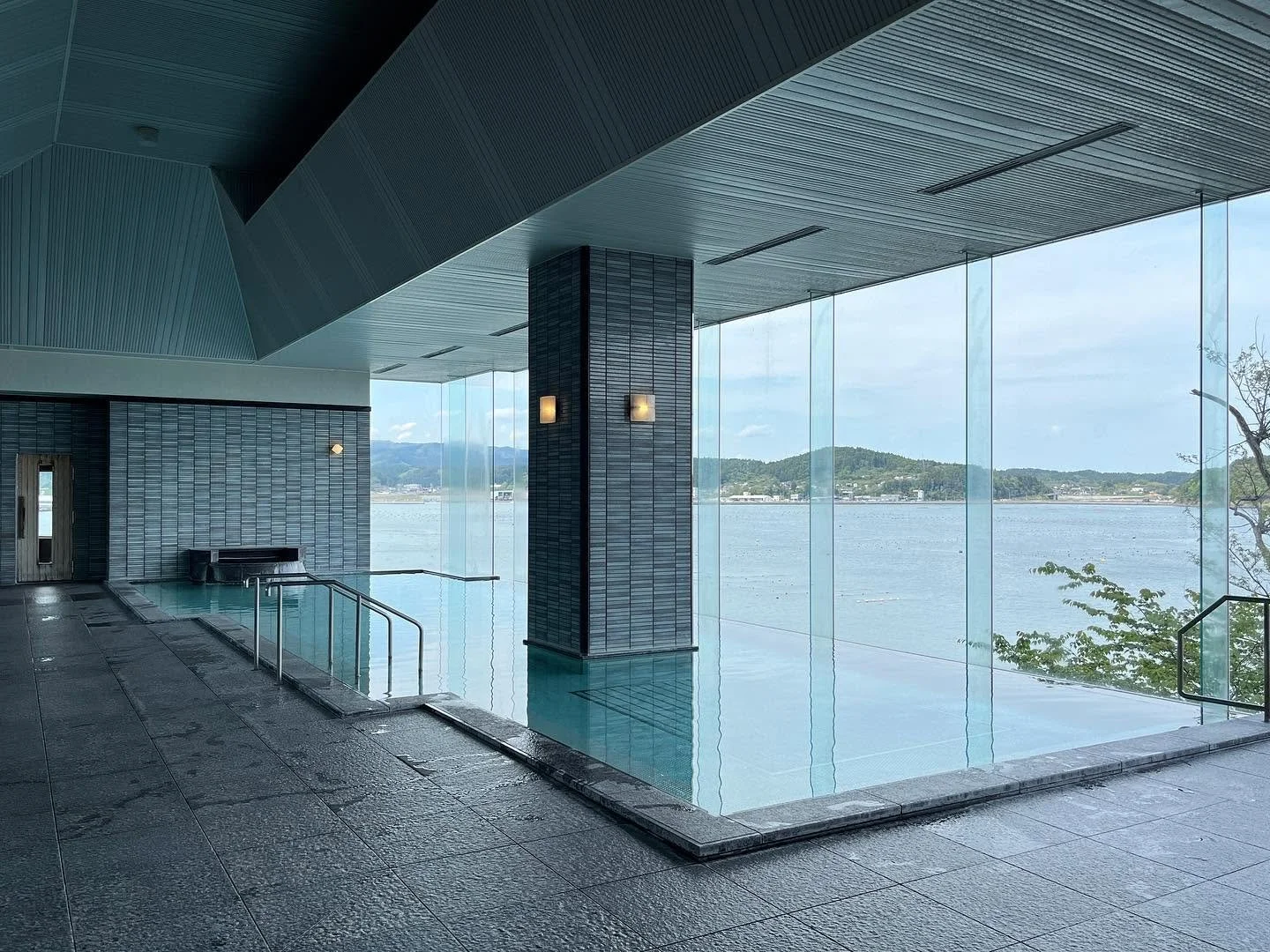
Minamisanriku’s Hotel Kanyo: a comfortable hotel with an onsen overlooking the bay
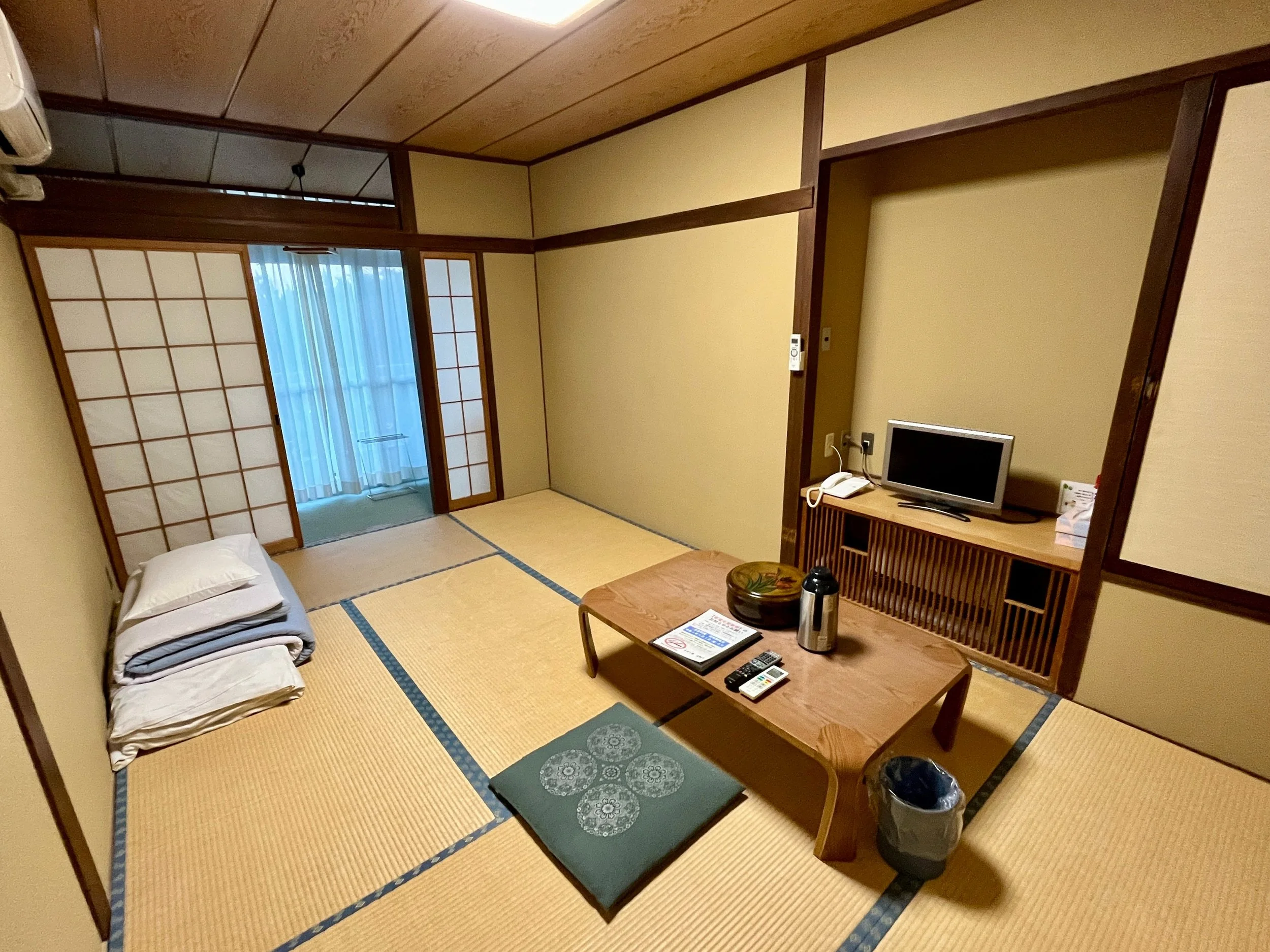
Getting a good night’s sleep in a Japanese-style room in Eboshi-so in Noda
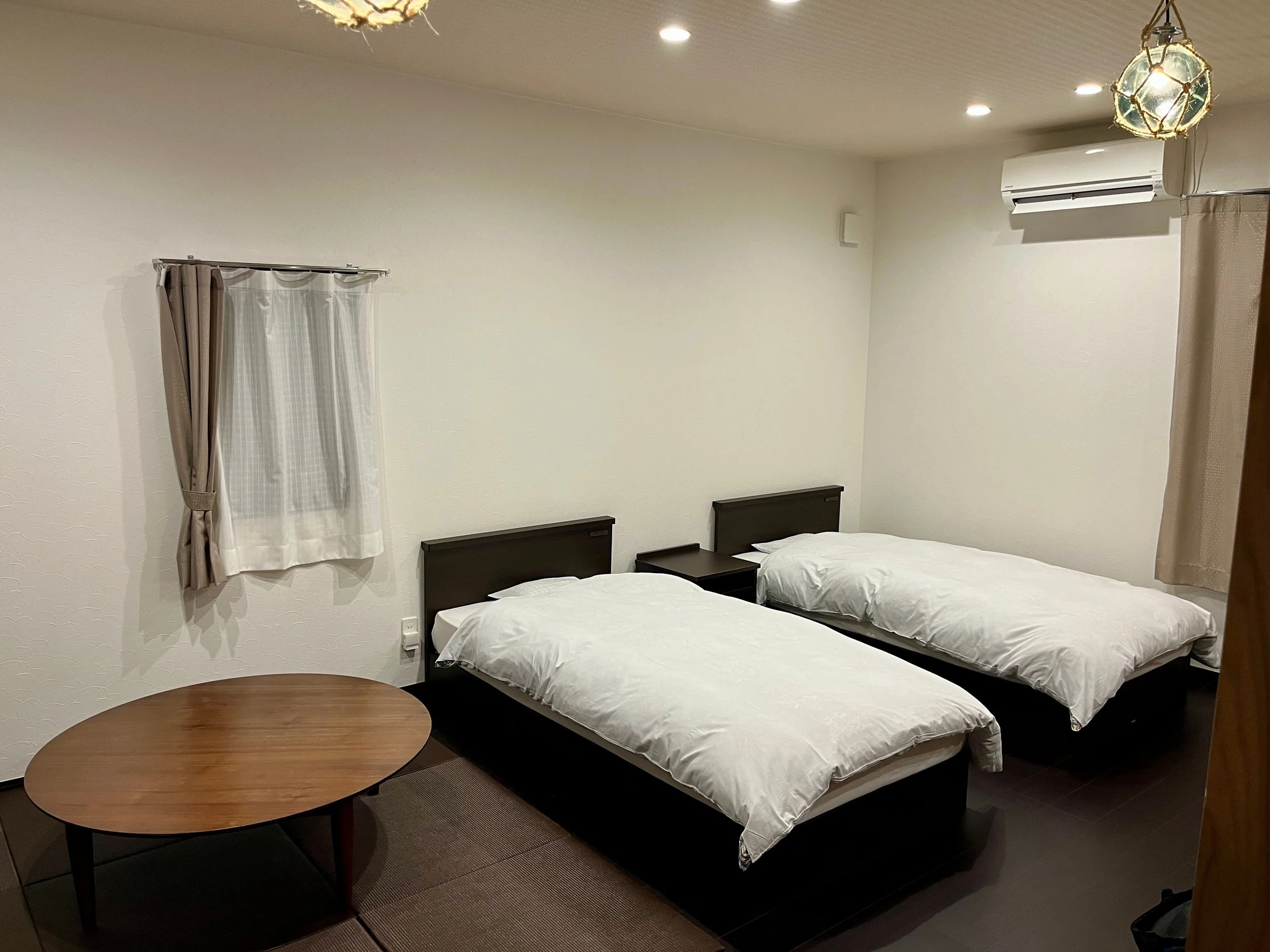
Ohakozaki no yado (御箱崎の宿): a very hiker-friendly option - this is a must when walking the Hakozaki Peninsula
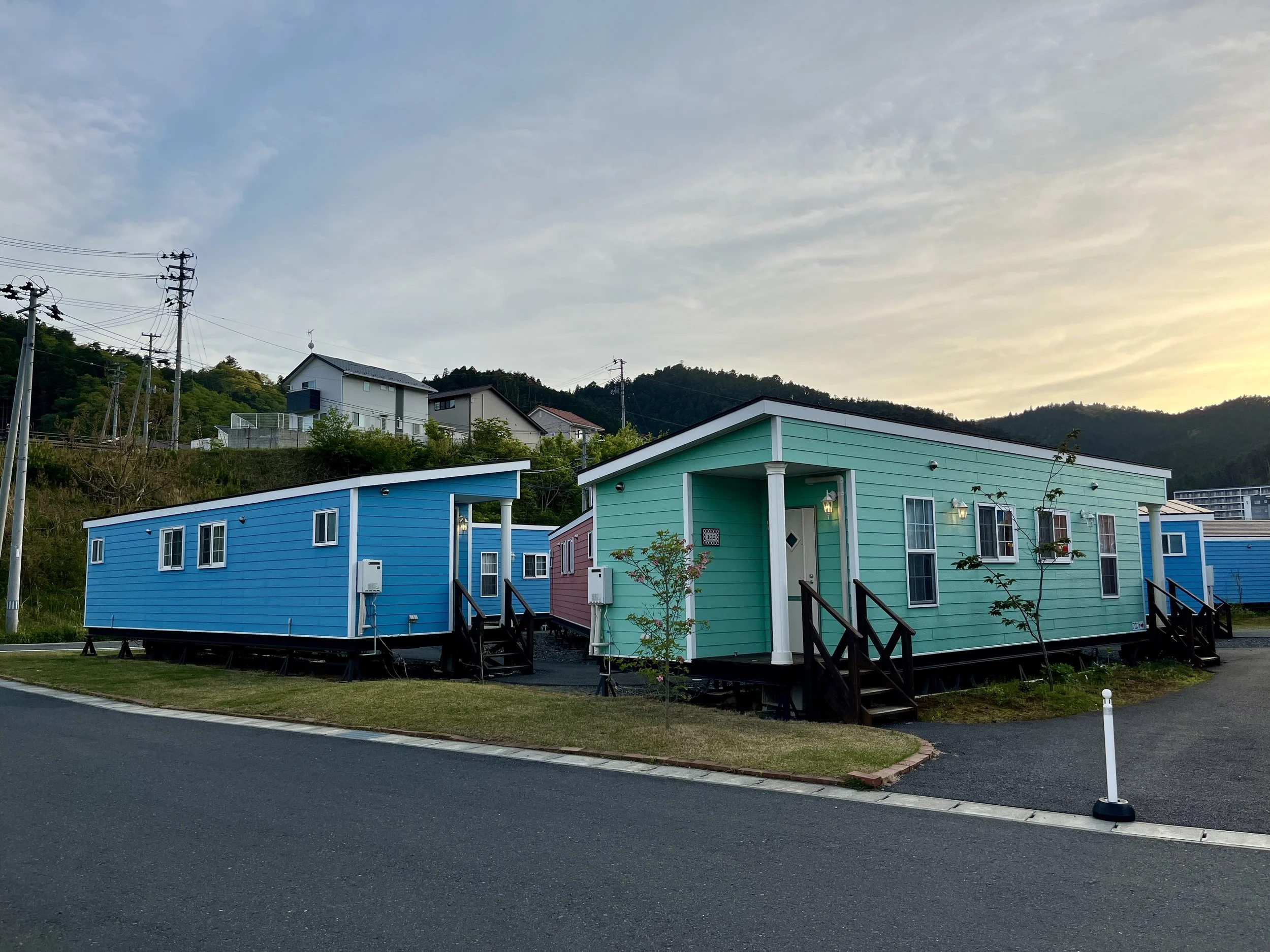
Hotel El Faro, a colourful mobile home option near Onagawa Station
The northern end is relatively easy around Hachinohe and Tanesashi, but accommodation thins out around the inland Mt Hashikami loop.
Minshuku · Official MCT Supporter · Meals · Hiker support
Simple accommodation in an excellent position for the Tanesashi Coast. Hiker support can include help around Same Station and luggage arrangements.
Higher-end private villas · Direct English booking
A more private, higher-end alternative very close to the Tanesashi coastline, around a two-minute walk from Tanesashi-Kaigan Station. Breakfast-and-dinner plans and seasonal packages are available.
Homestay · Useful accommodation gap · MCT walkers welcomed
Worth knowing because accommodation around the Mt Hashikami loop is limited. The Airbnb listing specifically welcomes MCT walkers, and pickup from Oja Station may be possible if arranged in advance.
Guesthouse · Official MCT Supporter · Hiker support
A useful budget stop with hiker facilities including water and charging.
Hotel & bath · Official MCT Supporter · Hiker discount · Meals
I stayed here during my thruhike and found it an extremely useful stop. It is right on the coast, and having a large bath in the same building is especially welcome after a walking day.
Hotel · Easy town stop · Laundry
I stayed here and found it a practical option for Kuji, around five minutes on foot from Kuji Station, with coin laundry on site. It works well as a straightforward rest, laundry and resupply night.
Ryokan · Traditional local stay · Meals available
I stayed here and enjoyed the traditional, family-run atmosphere. It is around three minutes on foot from Kuji Station. The official site offers room-only and dinner-and-breakfast stays, plus Wi-Fi, a washing machine and the option to arrange lunch.
Hotel-inn · Meals · Useful rural stop
I stayed here and found it particularly useful in an area where accommodation starts to thin out. Transport arrangements from Noda-Tamagawa Station may be possible.
Plan this part before you walk into it. Accommodation location can materially affect your itinerary here.
Local inn · Official MCT Supporter · Hiker transfer
Guest transport around Fudai or Tanohata may be possible by arrangement.
Kokumin shukusha · Official MCT Supporter · Meals · Transfer
I stayed here and found it a very useful base for this section. It is close to Kurosaki, and hiker transfers to Fudai Station and Kitayamazaki can make itinerary planning considerably easier.
Family-run local inn · Seafood meals · Laundry / Wi-Fi
A small local stay I used myself around the Tanohata section. It is particularly valuable simply because good options here are limited. The family-run inn has ocean-view rooms, Wi-Fi and a washing machine.
Private lodging · Official MCT Supporter · Hiker facilities
A hiker-oriented stay with shower, washing machine, Wi-Fi, charging and possible guest transport.
Hotel-ryokan · Meals · Easy online booking
I stayed here and enjoyed it. All rooms face the sea, and the seafood dinner makes it a particularly good choice after a demanding walking day.
Miyako itself has plenty of accommodation. The challenge comes when the trail moves away from town, especially on the Omoe Peninsula. Leave Miyako with a plan.
Large hotel · Official MCT Supporter · Meals
Useful before or after the remote northern Miyako sections.
Ryokan · Meals
A more traditional, food-focused option around Taro.
Minshuku · Official MCT Supporter
A smaller local stay north of central Miyako.
Hotel · Excellent location · Meals
One of the easiest ways to stay beside Jodogahama rather than returning to central Miyako.
Resort hotel + campground · Meals
I camped at the adjacent campground rather than staying in the hotel itself. The whole complex, with accommodation, bathing and camping near Anegasaki, is extremely useful for MCT hikers.
Business hotel · Easy solo booking
I stayed here and found it a practical Miyako reset night. It is predictable, easy to book, and a good base for laundry, resupply and preparing for the more remote Omoe section.
Local accommodation · Official MCT Supporter · Excellent hiker support
One of the most useful hiker-oriented stays in an accommodation-poor area. Services can include food, charging, shoe washing and tent space.
Hot-spring lodging · Near Rikuchu-Yamada Station
I stayed here and found the bed-and-bath combination particularly useful after a walking day, and it is very convenient for the railway.
Hotel · Official MCT Supporter · Meals
Well positioned between Yamada and Kirikiri.
Ryokan · Official MCT Supporter
A useful traditional option with hiker services including Wi-Fi and charging.
Minshuku · Official MCT Supporter · Very hiker-friendly · Meals / laundry
I stayed here and found it very useful for walkers. It is a family-run inn overlooking Namiita Coast, around five minutes on foot from Namiita-Kaigan Station. Meal plans are available, there is a washing machine and Wi-Fi, and early-start breakfast arrangements may be possible if agreed in advance.
Ryokan · Official MCT Supporter · Meals
A highly regarded local stay immediately beside the Nebama section.
Fisherman's inn · Official MCT Supporter · Laundry
A small local stay with useful hiker facilities.
Local inn · Official MCT Supporter · Hiker transfer · Meals · English spoken
One of my favourite stops on the MCT. The owners are welcoming, English is spoken, the food is excellent, and the location solves a genuine logistical problem in a part of the trail with limited services. Hiker discounts and transport may be available by arrangement.
Hotel · Official MCT Supporter
A straightforward central Kamaishi option.
Family-run accommodation · Beautifully designed · English spoken
I stayed here and highly recommend it. The interior has been designed with a huge amount of care and is really beautiful, but what stood out most was the family running it. The husband even took me out for an early-morning kayak trip, and his wife lived abroad for many years and speaks excellent English.
It is the kind of warm, personal stay that can become part of the MCT experience rather than just somewhere to sleep.
Temporary closure / renovation
Current operations are scheduled to end after the 30 October 2026 stay, with a renovated reopening planned for spring 2027.
Prefer to plan visually? My interactive Michinoku Coastal Trail Google Map, with 1.3 million+ views, includes accommodation, campsites, visitor centres and other useful stops along the route.
Open the MCT Google Map →You can also click the map image below.
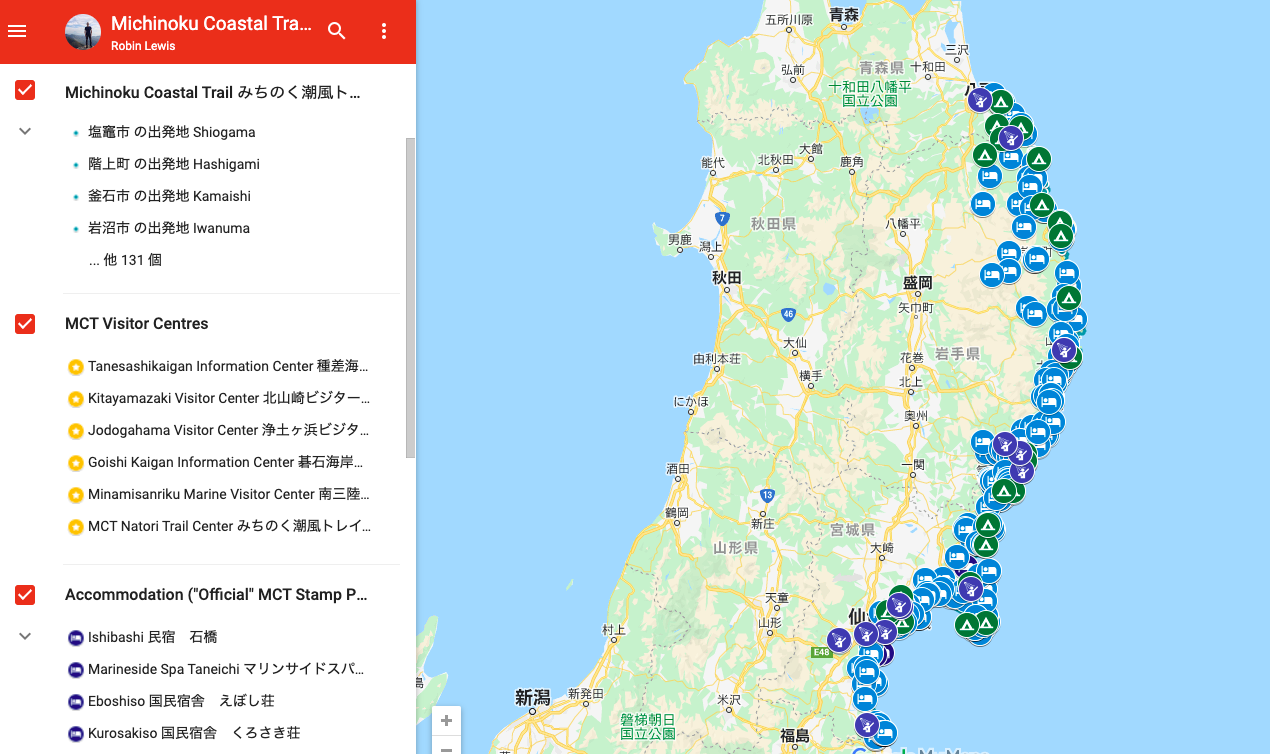
Prefer to plan visually? My interactive Michinoku Coastal Trail Google Map includes accommodation, campsites, visitor centres and other useful stops along the route.
Onsen hotel · Official MCT Supporter · Meals
I stayed here and particularly recommend the onsen. The baths look across the sea and are fantastic after a long walking day. If your budget allows for a more comfortable recovery night, this is one I would consider.
Hotel · Central Ofunato
A straightforward conventional town hotel.
Local inn · Excellent Goishi location · Seafood meals
Useful if you want to stay near the Goishi Coast rather than returning to Ofunato. This small inn focuses strongly on local Sanriku seafood.
Fisherman's inn · Hiker logistics · Local meals
A particularly useful local stay on the Hirota Peninsula, with seafood sourced by the fisherman-owner and vegetables from nearby producers.
Hotel · Official MCT Supporter
Comfortable conventional accommodation with practical hiker support.
Hotel · Official MCT Supporter · Luggage support
Particularly useful for hikers, as luggage and other practical support may be available.
Minshuku · Official MCT Supporter · Packed lunch
Hikers may be able to arrange lunch for the next walking day.
Minshuku · Official MCT Supporter · Local seafood
A small local inn where food is an important part of the stay, with Sanriku seafood and seasonal produce. The current official site includes basic English information.
Karakuwa is a good place to choose a locally run inn rather than defaulting to a chain hotel elsewhere.
Minshuku · Official MCT Supporter
A locally run option with hiker services.
Minshuku · Official MCT Supporter · Excellent hiker support
Useful extras for overnight hikers can include lunch onigiri and washing-machine use.
Guesthouse · Distinctive local/community stay
A memorable, locally run property on the Karakuwa Peninsula, shaped by relationships formed during the recovery after 2011.
Youth hostel · Official MCT Supporter · Transport / luggage
A practical hiker base with bathing, charging, luggage storage and possible transport.
Kesennuma itself has substantial hotel choice. These stand out for convenience or specific usefulness to hikers.
Onsen hotel · Official MCT Supporter
A comfortable central option with onsen bathing and easy access to the waterfront.
Guesthouse · Official MCT Supporter · Budget option
A more affordable stay with useful hiker facilities.
Guesthouse · Official MCT Supporter
I stayed here and found it a useful smaller guesthouse for the Kesennuma area, with basic hiker support including water and charging.
Guesthouse · Official MCT Supporter · Hiker plan
A useful budget option with kitchen, shower, washing machine and charging.
Camping/glamping · Official MCT Supporter · MCT plan
Offers a dedicated MCT hiker option.
Hotel · Meals
A reliable island hotel that can make the Oshima section easier to structure.
Ryokan · Official MCT Supporter
A traditional alternative on Oshima.
Lodge · Official MCT Supporter · Packed lunch option
I stayed here and found it a useful option for this part of Minamisanriku, with Wi-Fi and charging. Lunch for the following day may be arranged.
Large onsen hotel · Meals · Disaster-storytelling programme
I stayed here and particularly enjoyed the onsen. The outdoor baths face directly over Shizugawa Bay, making this one of the better comfort stops on the southern half of the MCT.
The hotel also played an important role after the 2011 disaster and continues to run a storyteller bus programme in which staff share experiences of the tsunami and the town's recovery.
Local minshuku
A smaller local alternative around Shizugawa.
Minshuku · Local stay · Meals available
A small local option in the Kamiwarizaki area. This remains a direct-contact stay.
Minshuku · Local stay · Online booking · Meals
A small, family-run inn overlooking the sea in the Tokura area, close to Kamiwarizaki. Dinner-and-breakfast stays are available through the local tourism booking system.
Book this area before you arrive. Public transport is limited, accommodation is sparse, and a failed booking can leave you with a difficult logistics problem.
Minpaku · Official MCT Supporter · Hiker-run · Exceptional support
Run by an MCT thruhiker and designed around what walkers actually need. Services can include accommodation, tenting, laundry, luggage storage, route advice, resupply and transport.
Minpaku · Official MCT Supporter · Laundry / charging
A particularly useful option in one of the trail's biggest accommodation gaps.
Fisherman's inn · Official MCT Supporter · Transfer / tent option
Same-day accommodation may sometimes be possible by phone, and guests may be able to arrange transport back to the trail.
The Oshika Peninsula is another area where an online hotel search gives only part of the picture. Some of the most useful accommodation is locally run and needs advance contact.
Hotel · Beside Onagawa Station
I stayed here and really enjoyed it. The colourful mobile-home accommodation is unusual and comfortable, and it is literally beside the station, making it exceptionally convenient for hikers. The hotel's story is closely connected to Onagawa's post-2011 recovery.
Minshuku · Official MCT Supporter · Hiker discount
A useful local Ayukawa stay.
Minshuku · Seafood · Meals
A family-run stay where dinner is an important part of the experience. Solo hikers should check occupancy rules before booking.
Hotel-ryokan · Solo-friendly
A practical base near Ayukawa and Kinkasan. Direct booking is particularly worth checking for solo plans.
Cabins + camping · Seasonal
I stayed at Manga Island and think it is one of the most unusual accommodation experiences on the MCT. The cat-themed cabins let you spend the night on Tashirojima rather than treating the island as a rushed day trip.
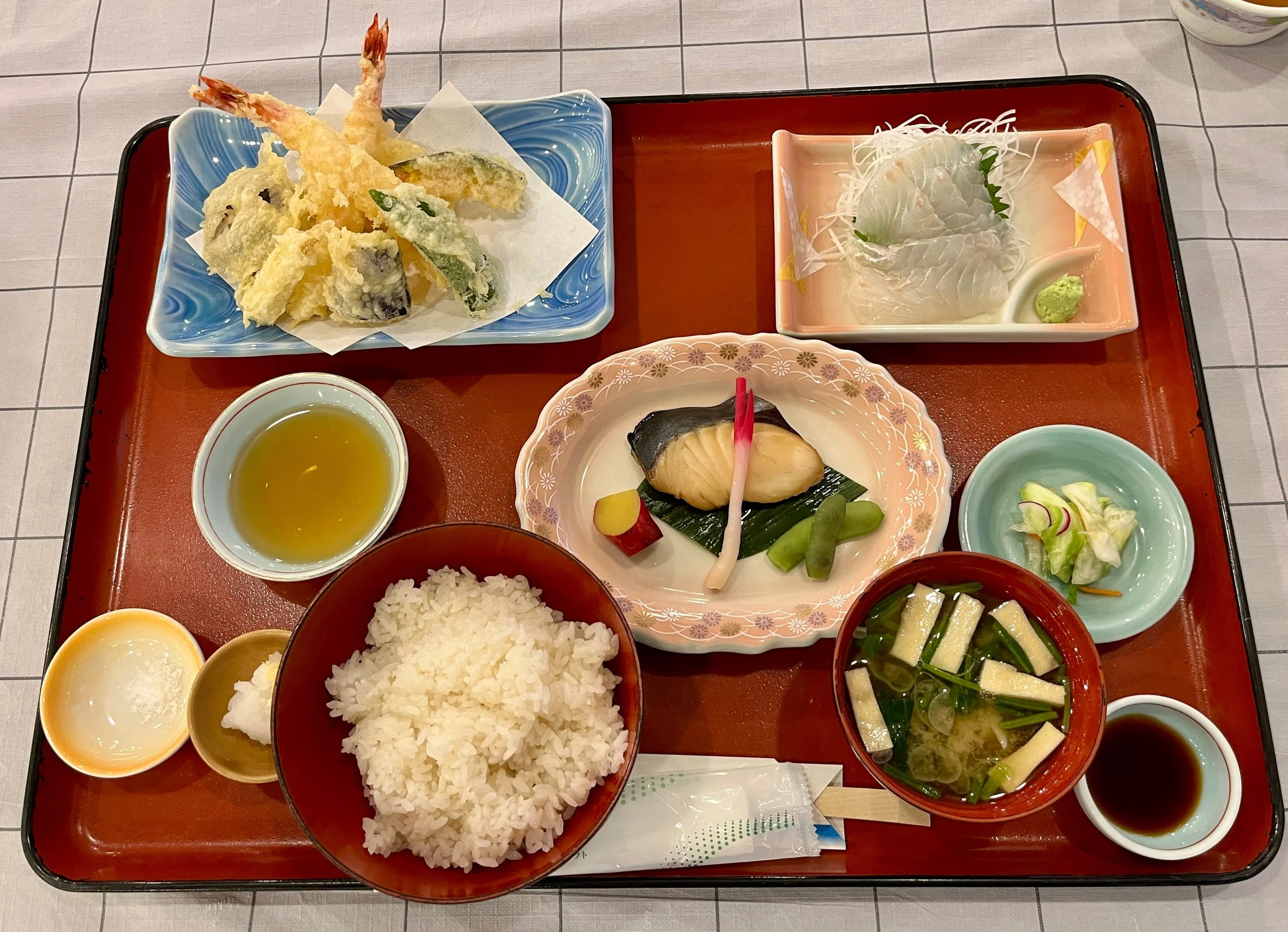
Enjoying a post-walk tempura and sashimi dinner at Eboshi-so in Noda

Mifune Ryokan (三船旅館) in Kuji, Iwate Prefecture. Simple, wooden decor with tatami mats, futon and green tea.
Ryokan · Direct English booking
I stayed here and found it a welcoming, straightforward independent ryokan in central Ishinomaki. It is unusually easy for international hikers to book directly in English.
Independent inn · Official MCT Supporter
A small independent alternative to Ishinomaki's larger hotels.
Converted school accommodation · Official MCT Supporter · Tent option
A distinctive option around five minutes from Nobiru Station. KIBOTCHA occupies a former elementary school rebuilt as a disaster-prevention and learning facility, with indoor accommodation, glamping and paid tenting by prior arrangement.
Business hotel · Large natural hot-spring bath · Easy online booking
A comfortable chain option on the Sendai coast, with a large natural hot-spring bath, sauna, breakfast and straightforward online booking.
I've stopped here many times, and I strongly recommend visiting whether or not you intend to camp. It is one of the main information hubs for the whole MCT and a great place to get current trail information, ask questions about upcoming sections, sort out logistics, use showers and laundry, charge devices, refill water, use Wi-Fi and meet the friendly MCTA staff.
There is also an official campground on the grounds. The current MCT Hiker Plan is ¥880 per adult. Hikers arriving on foot can receive some additional flexibility around check-in if they contact the centre ahead.
One warning: the site can be exposed to strong wind, so take that seriously when pitching.
Onsen accommodation · Free laundry · Excellent southern trail stop
I stayed here and found it a very useful stop around Yuriage. The natural onsen is excellent after a walking day, and overnight guests have free use of washing machines and dryers. It also pairs naturally with a visit to Natori Trail Center.
Hotel · Official MCT Supporter · Hiker discount
A convenient coastal option with an MCT hiker discount available under current conditions.
Local inn · Official MCT Supporter
One of the more useful indoor options along the Watari section.
Ryokan · Official MCT Supporter · Meals / laundry
A more traditional option offering solo stays and several meal arrangements.
If you are starting or finishing at the southern terminus, decide whether you want to stay near Soma Station or closer to Matsukawaura and the trailhead.
Guesthouse · Near Soma Station
A convenient lower-cost start or finish near rail transport.
Small hotel · Waterfront · Laundry / Wi-Fi · Opened August 2026
A new small hotel overlooking Matsukawaura, with single rooms, Wi-Fi and laundry facilities, making it a practical option near the southern end of the trail.
Hotel · Official MCT Supporter
A useful option near the southern end of the trail.
Ryokan · Near southern trailhead · Meals
A traditional stay close to Matsukawaura, and a good option if you want to start or finish the MCT in a Japanese inn.
The easiest booking isn't always the most memorable one.
Sometimes a business hotel is exactly what you need: private room, Wi-Fi, laundry, easy booking and no logistical complications.
But some of my favourite memories from the MCT come from the smaller places. You arrive after walking all day, somebody wants to know where you came from, dinner comes from the sea outside, and the accommodation becomes part of the trail rather than somewhere you happen to sleep.
If your budget allows, mix the two. Use hotels where they make your itinerary work, but stay in a locally run minshuku or ryokan when you get the chance.
Above all, plan the difficult nights first. The trail feels very different when you know there is a bed, a hot meal and someone expecting you at the end of the day.